

Courses
Exploring the World of Work
As outlined in the ILSA curriculum, learners are supported to develop their understanding of employment and build the skills needed for future progression into work, further learning or supported internships.
Learning focuses on real-world work experiences, employability skills and gradual independence, with support adapted to each learner’s needs.
Learners are given opportunities to develop work readiness through:
Supported Work Experience (Internal and External)
Learners take part in supported work experience in real working environments, including college departments and local businesses such as shops, cafés, charities and community organisations. Support is gradually reduced as confidence and independence develop.
On-Site Work Practice and Enterprise Activities
Learners gain experience through on-site work practice and small-scale enterprise activities, developing skills such as teamwork, responsibility, task completion and understanding workplace routines.
Exploring Job Roles and Career Pathways
Learners explore a range of job roles and career pathways to help identify interests, strengths and realistic next steps, linked to Preparing for Adulthood outcomes.

Work experience: Students will be supported to undertake work experience with community partners such as charity shops, cafés, food banks, and grounds maintenance teams.
Internal placements: Students begin their journey with internal placements across our provision. These opportunities help them to build confidence and develop the key skills needed to progress to external placements.
Examples of placements: Roles may include working in our on-site café, supporting site maintenance, cleaning, business administration (such as reception and customer service), finance, or IT support.
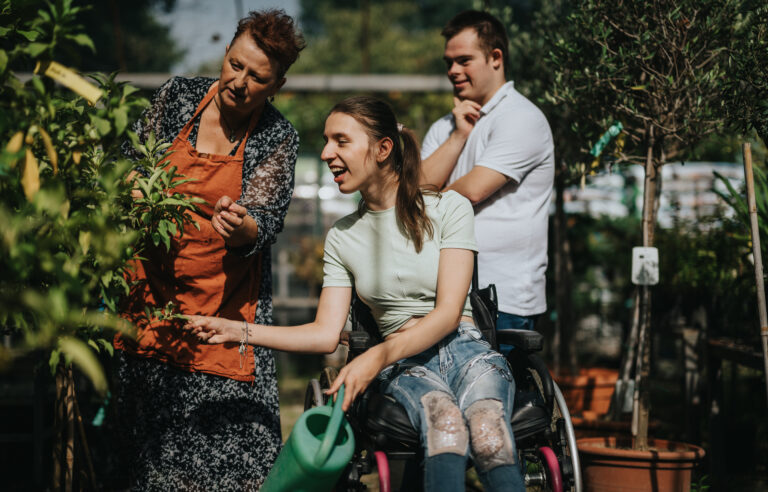
Mini enterprise: Students will take part in small enterprise projects, giving them the chance to make and sell a variety of items, including food, craft projects, and plants for the garden. As their confidence grows, students will progress to selling products at external events such as craft fairs.
Employability Skills Development
Learners develop essential employability skills, including:
Teamwork and communication
Timekeeping and attendance
Problem-solving and following instructions
Understanding workplace behaviour and expectations
These skills are embedded across lessons and work-based activities.
Careers Information, Advice and Guidance
Learners receive personalised careers information and guidance to support informed decision-making about future education, training, volunteering or employment, in line with their EHCP outcomes.
Careers support: Our onsite Careers Advisors work closely with students to provide practical guidance on the skills and knowledge needed for employment. This includes CV writing, job applications, interview techniques, workplace visits, and job research skills.